
Micronutrients are vital vitamins and minerals required in small amounts to support your body’s essential functions and overall health. Unlike macronutrients, proteins, fats, and carbohydrates, that provide energy, micronutrients support a wide range of physiological functions, including immunity, bone health, energy production, and cognitive performance. Despite their importance, many people are unaware that they may be deficient in certain micronutrients, which can impact overall health.
Why Micronutrients Matter
Micronutrients, including vitamin D, magnesium, iron, and zinc, are essential for supporting overall health and ensuring your body functions properly. For instance:
- Vitamin D helps regulate calcium absorption, supporting bone and muscle health.
- Magnesium plays a key role in more than 300 biochemical reactions in the body, supporting functions such as nerve signaling, muscle contraction, and energy production.
- Iron is essential for transporting oxygen throughout the bloodstream, helping your body produce energy and maintain overall vitality.
- Zinc is essential for a healthy immune system, promoting wound healing, supporting growth, and aiding in DNA synthesis.
Deficiencies can result from various factors including poor diet, absorption issues, lifestyle habits, and certain medical conditions. For example, people who consume highly processed foods often miss out on essential nutrients, while individuals with digestive disorders may struggle to absorb vitamins and minerals effectively.
Common Micronutrient Deficiencies
Despite the variety of foods available, studies show that certain micronutrients are commonly lacking in many diets:
- Vitamin D – Many people spend little time outdoors or live in regions with limited sunlight, resulting in low vitamin D levels.
- Magnesium – Found in leafy greens, nuts, and whole grains, magnesium is often deficient due to processed food consumption.
- Iron – Women, especially of childbearing age, are at higher risk of iron deficiency due to blood loss during menstruation.
- Vitamin B12 – Found primarily in animal products, vegetarians and vegans are at risk of B12 deficiency.
- Calcium – Essential for bone health, inadequate calcium intake is common in those who avoid dairy products.
Micronutrient deficiencies can manifest as fatigue, irritability, weakened immunity, hair loss, or poor concentration. Addressing these gaps through diet or supplementation is critical for long-term wellness.
Healthy Food Options to Boost Micronutrients
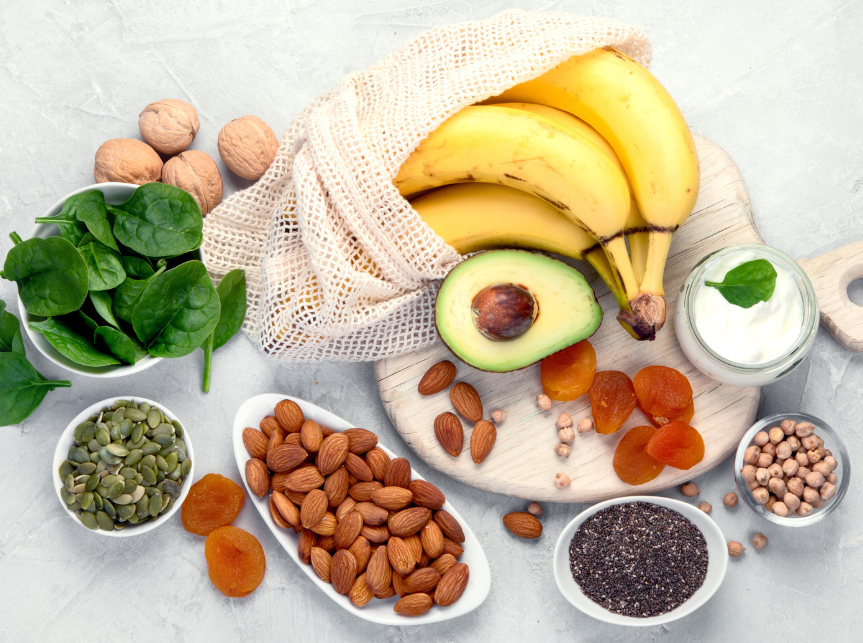
A balanced diet rich in whole, unprocessed foods is the most effective way to obtain essential micronutrients. Some examples include:
- Leafy greens like spinach, kale, and Swiss chard (rich in magnesium, calcium, and vitamin K)
- Nuts and seeds such as almonds, chia seeds, and sunflower seeds (high in magnesium, zinc, and vitamin E)
- Lean meats and fish like chicken, salmon, and beef (sources of iron, B vitamins, and zinc)
- Dairy and fortified plant-based alternatives (calcium, vitamin D, and B12)
- Fruits such as oranges, berries, and kiwis (vitamin C and antioxidants)
Incorporating a variety of colorful fruits and vegetables ensures that you cover a spectrum of vitamins and minerals necessary for optimal health.
Micronutrients and Lifestyle Factors
Lifestyle choices can affect micronutrient levels. For instance:
- Physical activity can increase your body’s demand for certain minerals, such as magnesium and calcium.
- Stress may deplete B vitamins and magnesium, which are vital for energy production and mental health.
- Alcohol consumption can interfere with the absorption of essential nutrients like zinc and vitamin B12.
An online health coach can provide personalized guidance to identify potential gaps in your diet and recommend strategies to maintain balanced nutrient intake.
How an Online Health Coach Can Help
Working with a professional, such as through Andrea D’oria Nutrition, can help you understand which micronutrients you may be lacking and why they matter. An online health coach can:
- Assess your dietary habits and nutrient intake
- Recommend nutrient-dense food options tailored to your lifestyle
- Suggest supplements when necessary, ensuring safe and effective dosing
- Monitor your progress and adjust your plan over time
This personalized approach helps prevent deficiencies and promotes overall wellness, ensuring that your body functions at its best.
Practical Tips to Ensure Adequate Micronutrient Intake
- Plan your meals with a variety of fruits, vegetables, lean proteins, and whole grains.
- Incorporate fortified foods like breakfast cereals or plant-based milks to fill nutrient gaps.
- You may consider taking supplements if you have dietary restrictions, medical conditions, or difficulty meeting your nutrient needs through food alone.
- Monitor lifestyle factors such as exercise, stress, and alcohol intake that affect nutrient absorption.
- Stay informed by working with an online health coach or nutrition expert to adapt your plan as needed.
By taking these steps, you can maintain proper levels of essential vitamins and minerals, supporting both short-term energy and long-term health.
Understanding Micronutrients for Optimal Wellness
Micronutrients may be required in small amounts, but their impact on your health is enormous. Incorporating a range of nutrient-dense foods and consulting with an online health coach ensures you meet your body’s needs. Andrea D’oria Nutrition emphasizes understanding your nutritional gaps and making intentional food choices to support your overall well-being. Focusing on healthy food options and micronutrient intake can empower you to live a more vibrant, energized life.
In addition to supporting physical health, adequate micronutrient intake plays a crucial role in mental clarity, mood regulation, and energy levels. For example, B vitamins and magnesium help manage stress and support cognitive function, while vitamin D and calcium work together to strengthen bones and muscles. By prioritizing micronutrient-rich foods, you provide your body with the tools it needs to fight illness, recover more quickly from physical exertion, and maintain hormonal balance.
Tracking your micronutrient intake can also prevent long-term health issues. Chronic deficiencies may contribute to conditions such as anemia, weakened immunity, or osteoporosis. Working with an online health coach can help you identify these gaps early, creating a personalized plan that aligns with your lifestyle, dietary preferences, and health goals.
Finally, the small but consistent choices you make each day, like choosing a handful of nuts over a processed snack or adding leafy greens to every meal, accumulate into significant health benefits over time. Understanding micronutrients isn’t just about addressing deficiencies; it’s about proactively nourishing your body to function at its best every day.
By focusing on micronutrient intake and making conscious, healthy food choices, you take control of your wellness journey, reduce the risk of deficiencies, and set the foundation for a stronger, more energetic, and balanced life.
FAQs
- What are micronutrients and why are they important?
Micronutrients are vitamins and minerals your body needs in small amounts to maintain health, support immunity, and prevent deficiencies.
- Which micronutrients are most commonly lacking in diets?
Vitamin D, magnesium, iron, vitamin B12, and calcium are among the nutrients often deficient in many diets.
- Can I get all necessary micronutrients from food alone?
A well-balanced diet with a variety of whole foods can provide most micronutrients, though supplements may be needed in some cases.
- How can an online health coach help with micronutrient intake?
An online health coach can assess your diet, recommend nutrient-rich foods or supplements, and create a personalized plan to prevent deficiencies.
- What are some healthy food options to boost micronutrient intake? Leafy greens, nuts, seeds, lean meats, dairy products, fortified plant-based alternatives, fruits, and vegetables are rich in essential vitamins and minerals.