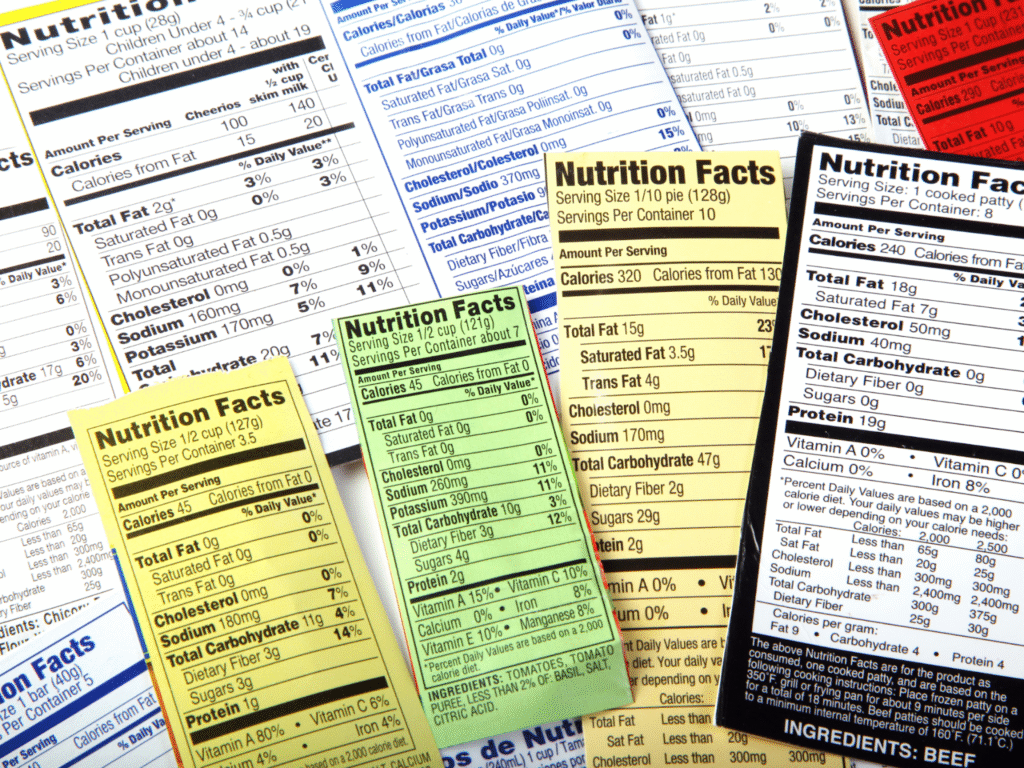
When it comes to making healthier food choices, one of the most powerful tools available to consumers is the nutrition label. Found on nearly every packaged food, these labels provide key insights into what you’re putting into your body. Learning how to read them effectively can make a huge difference in supporting your health goals. Whether your focus is weight management, energy levels, or overall wellness, understanding nutrition labels is essential.
Why Nutrition Labels Matter
Nutrition labels break down the composition of food so you can make informed decisions. They show calories, macronutrients like protein, fats, and carbohydrates, as well as essential vitamins and minerals. By comparing labels, you can choose healthier options and avoid hidden ingredients that may not align with your goals.
With so many products on the market claiming to be “healthy” or “natural,” nutrition labels cut through marketing buzzwords and reveal the facts.
Serving Sizes: The First Step
The first part of the label to check is the serving size. Many people overlook this detail, leading to unintentional overeating. If a package lists 200 calories per serving but contains four servings, eating the entire package means consuming 800 calories, not 200. Paying attention to serving sizes helps you control portions and stay within your nutritional targets.
Calories and Energy Balance
Calories indicate the energy you’ll get from a serving. Understanding your personal calorie needs is key to maintaining, losing, or gaining weight. Keep in mind that calories alone don’t determine food quality. Two foods with the same calorie count may differ greatly in nutrient content. Aim for foods that provide more nutritional value per calorie, often referred to as nutrient-dense foods.
Macronutrients and Their Impact
Macronutrients are the foundation of any diet. Labels show how much fat, carbohydrate, and protein are in each serving.
- Fats: Look for healthy fats like those from nuts, seeds, and olive oil, and limit trans fats and saturated fats.
- Carbohydrates: Pay special attention to added sugars, which can spike energy levels but provide little nutrition. Fiber, on the other hand, supports digestion and helps you feel full.
- Proteins: Essential for muscle maintenance and overall body function, proteins should be included in every meal.
Balancing these macronutrients helps you feel energized and satisfied throughout the day.
Sodium, Sugars, and Hidden Ingredients
Excess sodium and added sugars are common culprits in processed foods. Too much sodium can raise blood pressure, while added sugars contribute to weight gain and increase the risk of chronic diseases. Reading nutrition labels carefully helps you spot these ingredients before they affect your health.
Also, keep an eye out for ingredient lists. If the list is long and full of words you can’t pronounce, the product may be highly processed.
Daily Value Percentages
Another helpful part of nutrition labels is the daily value percentage (%DV). This number shows how much a nutrient in one serving contributes to your overall daily intake, based on a 2,000-calorie diet. If a label shows 20% DV for fiber, that serving provides one-fifth of your recommended daily intake. A general rule of thumb is that 5% DV or less is low, while 20% DV or more is high.

Practical Tips for Reading Labels
Here are a few quick strategies for putting label knowledge into practice:
- Compare similar products and choose the one lower in sodium or sugar.
- Prioritize foods with higher fiber and protein.
- Be wary of serving sizes; measure portions if needed.
- Use labels to align with your personal health goals, whether that’s lowering cholesterol, managing blood sugar, or boosting energy.
Support from a Nutrition Expert
While labels provide valuable information, knowing how to apply it to your personal needs can sometimes be overwhelming. This is where guidance from a professional comes in. At Andrea D’oria Nutrition, you can work with a nutritionist who helps you understand food choices in the context of your unique health journey. With expert support, you’ll learn how to confidently navigate the grocery store and build a diet that works for you.
Nutrition and Andrea D’oria Diet Coach Guidance
Mastering the skill of reading nutrition labels is one of the best ways to take control of your health. By paying attention to serving sizes, calories, macronutrients, and daily values, you empower yourself to make choices that support your goals. Pairing this knowledge with expert insights from Andrea D’oria Nutrition ensures you’re not just reading labels, you’re using them to transform your lifestyle in a meaningful way.