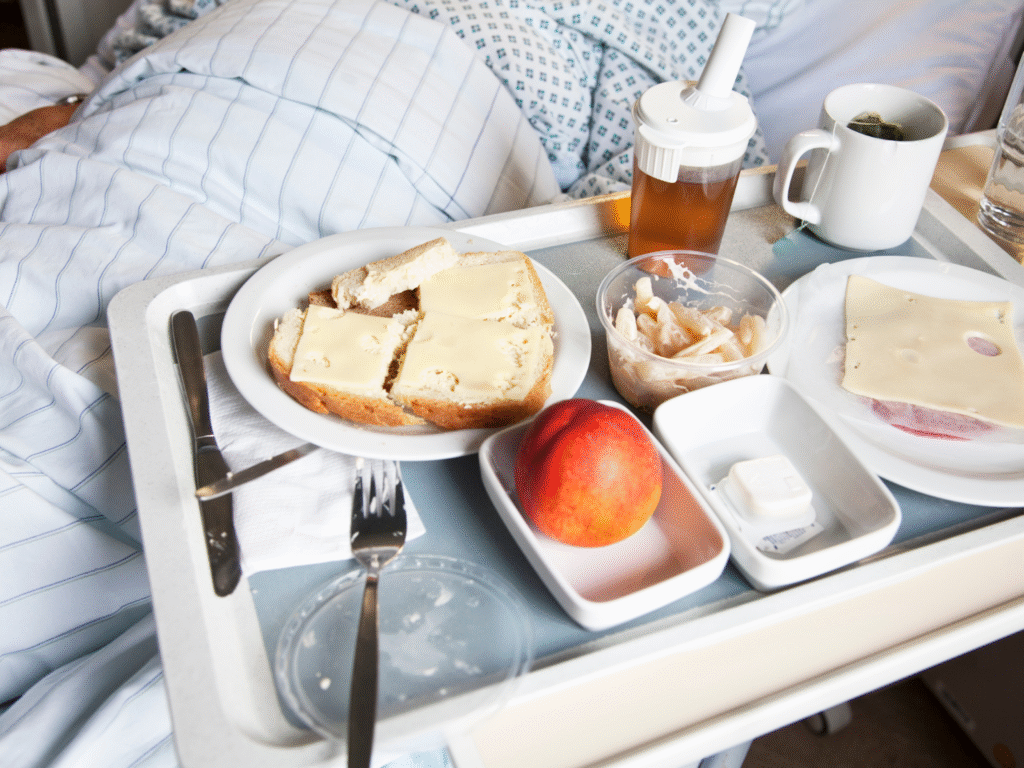
Many individuals who undergo bariatric or other major surgeries notice an unexpected shift in how food tastes afterward. What once seemed enjoyable may suddenly taste bland, bitter, or overly sweet. These changes can be surprising and sometimes discouraging, especially when you’re trying to stick to your recovery plan. Understanding why taste changes occur and how to adapt is an important part of your post-surgery journey. With proper support, including bariatric surgery coaching and personalized post-surgery diet guidance, you can successfully navigate this adjustment and continue building healthy eating habits.
Why Do Taste Changes Happen After Surgery?
Taste changes after surgery are more common than many people realize. Several factors contribute to this shift:
- Physiological changes: Surgeries that affect the digestive system can influence hormones and taste receptors, leading to altered sensations.
- Medication side effects: Pain relievers, antibiotics, and anesthesia can temporarily alter how foods taste.
- Nutritional deficiencies: Low levels of zinc, iron, or vitamin B12 can impact taste perception.
- Heightened sensitivity: After bariatric surgery, some patients report that flavors feel stronger or more intense than before.
These changes can last for weeks or months, though in some cases, individuals notice long-term differences.
Common Taste Shifts After Surgery
Everyone’s experience with taste changes is unique, but some patterns are common:
- Foods that once tasted pleasant may now seem metallic or bitter.
- Sweet flavors may become overpowering.
- Protein sources like meat may taste off-putting.
- Previously bland foods may taste more appealing.
For individuals navigating a new diet plan after bariatric surgery, these shifts can make it harder to meet nutritional needs. This is where structured bariatric surgery coaching and post-surgery diet guidance become essential.
The Emotional Side of Taste Changes
Taste is not just about nutrition, it’s tied to comfort, memories, and enjoyment. When favorite foods no longer taste the same, it can feel like a loss. Some people may even feel frustrated or discouraged, worrying that eating will never feel enjoyable again. Acknowledging these feelings is important, as emotional health plays a major role in recovery and long-term success.
Working with a professional helps validate these struggles while also offering strategies to adapt. At Andrea D’oria Nutrition, clients are guided with compassion and expertise, ensuring that taste changes are addressed in both a practical and emotional sense.
Practical Tips for Adjusting to Taste Changes
Adapting to new taste preferences requires flexibility and patience. Here are strategies that can help:
- Experiment with seasonings: Herbs, spices, and citrus can enhance flavor without overwhelming the palate.
- Try different cooking methods: Grilling, roasting, or steaming foods can change their taste profile.
- Focus on texture: If flavors feel strange, enjoying crunchy vegetables or smooth soups may still be satisfying.
- Stay hydrated: Drinking water can reduce metallic aftertastes and refresh the palate.
- Revisit foods over time: Taste changes may not be permanent, so retrying foods later could bring better results.
- Explore protein alternatives: If meat tastes unpleasant, try eggs, dairy, beans, or protein powders that fit your diet plan.
How Bariatric Surgery Coaching Supports the Process
Navigating taste changes alone can feel overwhelming, but bariatric surgery coaching provides structured support. A coach helps you:
- Identify safe and enjoyable food alternatives.
- Ensure your nutritional needs are met despite changing preferences.
- Develop coping strategies for frustration around eating.
- Create meal plans tailored to your new tastes and health goals.
This type of personalized support ensures that diet adjustments don’t become barriers to long-term health.

The Value of Post-Surgery Diet Guidance
Beyond one-on-one coaching, having access to professional post-surgery diet guidance helps create a sustainable plan for the future. This guidance emphasizes:
- Meeting protein and nutrient needs despite aversions.
- Balancing portion sizes and food choices for optimal healing.
- Supporting long-term weight management and energy levels.
- Encouraging mindfulness and self-compassion around food.
Andrea D’oria Nutrition specializes in providing both bariatric surgery coaching and post-surgery diet guidance, helping clients approach recovery with confidence. With the right tools and support, adjusting to taste changes becomes part of a successful and empowering journey toward better health.
Moving Forward With Bariatric Surgery Coaching and Post-Surgery Diet Guidance
Taste changes after surgery may feel unsettling, but they don’t have to derail your progress. With patience, experimentation, and professional support, you can adapt to your new palate while still enjoying a balanced and satisfying diet.By working with a professional who understands the complexities of bariatric surgery recovery, you’ll receive the guidance needed to meet your health goals without feeling limited by food preferences. Bariatric surgery coaching and post-surgery diet guidance provide the tools to navigate these changes successfully, ensuring that your journey toward improved health remains sustainable and fulfilling.